Cultural Tapestry of Farewell: Traditions, Community, and Honor in Indian Farewell Rites
Wiki Article
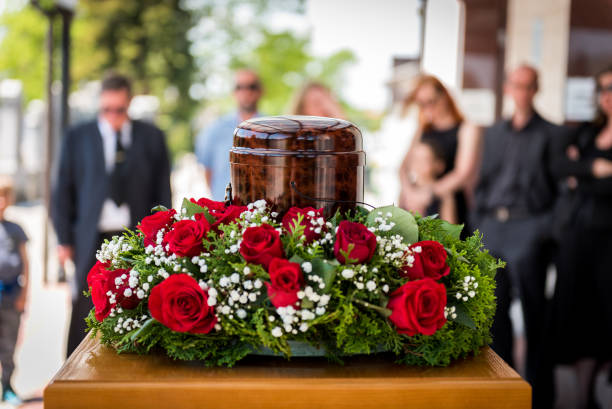
Within the vibrant subcontinental heritage of India, customs dedicated to celebrating a completed life reflect a deep commitment to social solidarity. From rural villages to major cultural hubs, the rites dedicated to paying final respects combine artistic beauty, historical reverence, and communal harmony. Rather than focusing merely on loss, these practices establish a lasting connection, uniting relatives, honoring elders, and passing down timeless values. The immediate hours following a person's passing are spent in thoughtful, dignified preparation. Family members gather to perform traditional preparation rituals that have been refined over centuries. The departed loved one is dressed in spotless traditional attire representing local artistic styles. White garments are most frequently chosen, representing equality, calm reverence, and timeless grace. Among various ethnic lineages, traditional textiles featuring intricate patterns or specific cultural colors are selected to celebrate an elder's wisdom and societal contributions. Fragrant floral arrangements play an irreplaceable role within these home observances. Fresh garlands crafted from bright orange marigolds, sweet-scented jasmine, pristine lotus blossoms, and colorful roses are carefully arranged around the individual. This floral art serves a profound purpose; they express the collective affection and high esteem of the community. Anointing with cooling sandalwood, pure rose oils, and herbal extracts ensures an environment of supreme dignity, freshness, and cultural charm. A deeply moving and visually distinctive element of these traditional farewells is the ceremonial procession leading from the home toward nature's resting site. Understood as a public gesture of unity, this movement through public space unites the broader neighborhood in mutual support. Neighbors, extended relatives, and acquaintances gather in front of the family home, dressed in modest, unadorned traditional white clothing creating a peaceful, harmonious visual atmosphere. The individual is carried upon a gracefully constructed frame crafted from sturdy local bamboo, decorated with fresh foliage and bright flowers. As the procession moves through the streets, neighbors exchange places to help carry the bamboo litter. Sharing this physical task stands as a powerful symbol of social unity, showing that the entire neighborhood shares the family's burden. Across numerous localities, the gentle chiming of bells and melodic flutes accompanies the procession, creating a rhythmic and dignified atmosphere that informs the local district of a completed life journey. India's immense cultural diversity manifests clearly within the distinct farewell practices found across states and communities. Even as mutual respect and community participation stay identical throughout, the outward ceremonial forms adapt uniquely across different climatic, geographic, and cultural zones. After the main day of farewell, Indian cultural heritage dictates a structured period of home-based remembrance, generally spanning ten to thirteen days. In this dedicated period, the domestic residence serves as a welcoming venue for neighbors, extended family lines, and well-wishers who arrive to offer support, food, and companionship. Receiving guests with warmth remains a top priority. Freshly cooked vegetarian meals are made each day to serve all guests who arrive to honor the family. Sharing food in this manner encourages warm fellowship, helps visitors reflect on the individual's positive contributions, and ensures that the grieving household is fully supported with daily necessities by the broader social network. The final day of the memorial period is marked by a large-scale community feast and memorial gathering. Family elders share stories of the individual's achievements, wisdom, and character traits, ensuring that their oral history is transmitted to younger generations. Selfless acts of service—like sponsoring student materials, sharing food with local shelters, or donating textiles—are carried out to celebrate the person's legacy, strengthening societal support systems and charitable values.
Dead Body Transportation in Kolkata Indian society approaches the honoring of the departed through a harmonious mix of joint effort and refined etiquette. Whether in quiet country settlements or dense metropolitan districts, the collective gathering of relatives, neighbors, and friends underpins every step of the cultural farewell. These observances provide a structured cultural framework where loved ones share comfort, honor lived memories, and preserve personal accomplishments.
Loving Preparation and Aesthetic Elegance
Processions of Honor: Community Unity
Element
Material Used
Cultural Significance
Attire
Traditional White Attire
Reflects modest dignity and visual harmony.
Carrying Litter
Handcrafted Local Bamboo
Demonstrates local craft and eco-friendly design.
Wreaths
Native Sweet Blossoms
Conveys family devotion and visual honor.
Herbal Preparations
Herbal Extracts and Rose Oils
Provides sensory elegance and traditional purification.
Regional Expressions of Honor
Wilson Garden Electric Crematorium No matter if the community practices gentle earthen burial or ceremonial fire rites, the emphasis stays firmly placed on cultural values of restoring balance with the surrounding natural world through practices that prioritize environmental respect and cultural grace.
Hospitality, Remembrance, and Social Continuity
Summary: Timeless Values of Community Honor
Dead Body Transportation in Hyderabad These subcontinental customs demonstrate a beautiful example of social values, artistic traditions, and profound community solidarity. Through turning a time of loss into an honorable display of community unity, these customs prove the enduring value of shared hospitality and tradition. By combining fragrant floral arts, dignified processions, local customs, and charitable giving, communities across India pay magnificent tribute to their elders while fortifying the enduring bonds of the community for generations to come.