Cultural Tapestry of Farewell: Social Fabrics and Cultural Customaries in India
Wiki Article
Within the vibrant subcontinental heritage of India, customs dedicated to celebrating a completed life stand as a timeless testament to community devotion. Across every regional territory, these honorable ceremonial observances combine artistic beauty, historical reverence, and communal harmony. Moving beyond individual grief, these practices establish a lasting connection, fostering hospitality, deepening community ties, and upholding generational respect. The quiet period immediately after a farewell are spent in thoughtful, dignified preparation. Loved ones lovingly execute time-honored home traditions preserved within family lines. The departed loved one is dressed in spotless traditional attire representing local artistic styles. Simple white clothing remains the classic preference, symbolizing quiet peace, dignity, and cultural simplicity. In other regional communities, traditional textiles featuring intricate patterns or specific cultural colors are selected to celebrate an elder's wisdom and societal contributions. Fragrant floral arrangements play an irreplaceable role in these preparations. Vibrant arrangements of native blossoms are presented by family members with deep affection. These colorful arrangements represent more than mere visual beauty; they highlight the continuous beauty of life and family devotion. Anointing with cooling sandalwood, pure rose oils, and herbal extracts further highlights the aesthetic elegance and loving care embedded within the home-based preparations. A deeply moving and visually distinctive element of Indian funeral customs is the organized neighborhood procession from the household to the local ceremonial grounds. Understood as a public gesture of unity, this peaceful walk along shared streets transforms private grief into a shared community event. Fellow villagers and urban neighbors join together in front of the family home, garbed in white garments of respect showing total unity, equality, and shared respect. The loved one rests upon a traditional litter made from natural bamboo, adorned with fresh green leaves, traditional woven textiles, and rich floral garlands. As the procession moves through the streets, members of the community step forward to take turns carrying the frame upon their shoulders. This physical act of sharing the weight is a profound gesture of social unity, showing that the entire neighborhood shares the family's burden. Across numerous localities, gentle instrumental music played on traditional flutes, drums, or bells guides the walkers, establishing a solemn and respectful mood that honors the individual's legacy within the public sphere. India's immense cultural diversity manifests clearly within the distinct farewell practices found across states and communities. Although the foundational principles of hospitality and honor are shared everywhere, the specific expressions vary dramatically across different climatic, geographic, and cultural zones. After the main day of farewell, subcontinental tradition observes a dedicated period of domestic hosting, typically lasting between ten and thirteen days. Throughout these days, the household remains open as a hospitality space for neighbors, extended family lines, and well-wishers who arrive to offer support, food, and companionship. Receiving guests with warmth remains a top priority. Freshly cooked vegetarian meals are made each day to serve all guests who arrive to honor the family. Sharing food in this manner encourages warm fellowship, encourages the sharing of fond memories, and ensures that the grieving household is fully supported with daily necessities by the broader social network. The conclusion of the primary formal gathering period is marked by a large-scale community feast and memorial gathering. Senior relatives recount the person's life history, good deeds, and values, ensuring that their oral history is transmitted to younger generations. Generous community donations—like sponsoring student materials, sharing food with local shelters, or donating textiles—are traditionally performed in honor of the departed, strengthening societal support systems and charitable values.
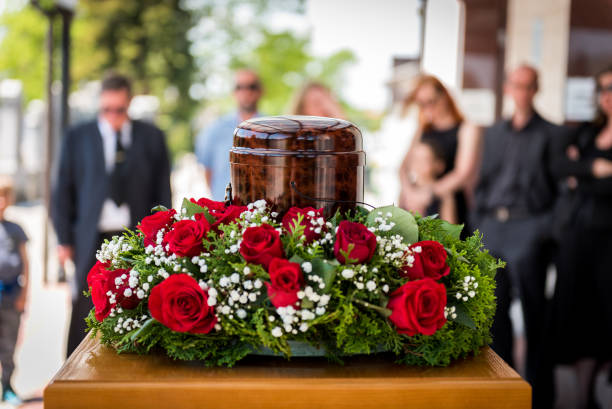
Repatriation Services in India Families across India handle these dignified moments with warm hospitality and deep cultural devotion. From the vibrant rural villages to the bustling urban centers, the collective gathering of relatives, neighbors, and friends forms the cornerstone of every ceremonial proceeding. These observances provide a structured cultural framework through which communities offer mutual support, demonstrate respect for elders, and celebrate the enduring influence of a person's life legacy.
The Aesthetics of Preparation and Family Devotion
The Solemn Procession: A Walk of Shared Respect
Aspect
Primary Material
Community Role
Attire
Traditional White Attire
Reflects modest dignity and visual harmony.
Carrying Litter
Woven Bamboo and Foliage
Demonstrates local craft and eco-friendly design.
Floral Adornments
Fresh Marigolds, Lotus, and Roses
Represents honor, aesthetic beauty, and respect.
Herbal Preparations
Cooling Sandalwood and Rose Essence
Ensures sensory grace and natural care.
Regional Expressions of Honor
Peenya Crematorium Regardless of whether the final rites use natural earthen placement or traditional fire settings, the emphasis stays firmly placed on cultural values of offering the individual back to nature's elements through practices that prioritize environmental respect and cultural grace.
Communal Hospitality and Memorial Traditions
Conclusion: An Enduring Legacy of Respect
Harishchandra Ghat Electric Crematorium The funeral customs of India offer a rich tapestry of social values, artistic traditions, and profound community solidarity. By transforming a moment of farewell into a dignified celebration of cultural heritage, these practices highlight the power of family bonds and social networks. By combining fragrant floral arts, dignified processions, local customs, and charitable giving, communities across India pay magnificent tribute to their elders while building stronger, more united neighborhoods for the future.