Cultural Tapestry of Farewell: Cultural Traditions and Social Fabrics of Indian Funeral Customs
Wiki Article
Throughout the rich cultural regions of India, traditions associated with honoring an individual's passing reflect a deep commitment to social solidarity. Across every regional territory, these honorable ceremonial observances are rich with regional artistry, historical significance, and intricate social customs. Moving beyond individual grief, these ceremonies strengthen social continuity, fostering hospitality, deepening community ties, and upholding generational respect. The initial hours of the ceremonial gathering are spent in thoughtful, dignified preparation. Family members gather to perform traditional preparation rituals preserved within family lines. The individual is wrapped in pristine ceremonial textiles representing local artistic styles. In many traditions, classic white attire is selected, representing equality, calm reverence, and timeless grace. Among various ethnic lineages, festive cultural cloths are used to mark a life full of accomplishment and honor. Fragrant floral arrangements play an irreplaceable role throughout this artistic setup. Vibrant arrangements of native blossoms are layered gracefully upon the resting platform. These floral decorations are far more than aesthetic adornments; they express the collective affection and high esteem of the community. The delicate use of natural sandalwood, rosewater, and native herbs further highlights the aesthetic elegance and loving care embedded within the home-based preparations. Among the most celebrated social features of Indian funeral customs is the solemn walk of honor from the family residence to the community resting grounds. Understood as a public gesture of unity, this communal journey turns family sorrow into a dignified public tribute. Community members, distant relatives, and lifelong friends assemble along the entry paths, garbed in white garments of respect showing total unity, equality, and shared respect. The loved one rests upon a traditional litter assembled from natural materials, covered with decorative cloths and floral wreaths. While the gatherers walk along the neighborhood paths, participants share the responsibility of bearing the weight. This physical act of sharing the weight is a profound gesture of fellowship, proving that grief is met with shared strength. Across numerous localities, gentle instrumental music played on traditional flutes, drums, or bells accompanies the procession, creating a rhythmic and dignified atmosphere that informs the local district of a completed life journey. India's immense cultural diversity manifests clearly in the varied funeral customs observed across different geographical regions and ethnic groups. Even as mutual respect and community participation stay identical throughout, the specific expressions vary dramatically according to regional heritage and local ancestry. After the main day of farewell, Indian cultural heritage dictates a structured period of home-based remembrance, observed over nearly two weeks. In this dedicated period, the domestic residence serves as a welcoming venue for guests arriving from nearby and far-off locations who travel from afar to offer condolences and pay their respects. Hospitality during this period is a vital cultural requirement. Freshly cooked vegetarian meals are made each day to serve all guests who arrive to honor the family. This tradition of sharing meals fosters deep emotional connection, encourages the sharing of fond memories, while guaranteeing that the family receives active help and daily supplies from neighbors. The conclusion of the primary formal gathering period is celebrated with an extended neighborhood meal. Senior relatives recount the person's life history, good deeds, and values, passing down valuable life lessons to youth. Selfless acts of service—including gifting garments to neighbors, funding local schools, or providing meals to the needy—are carried out to celebrate the person's legacy, building a lasting legacy of kindness and civic care.
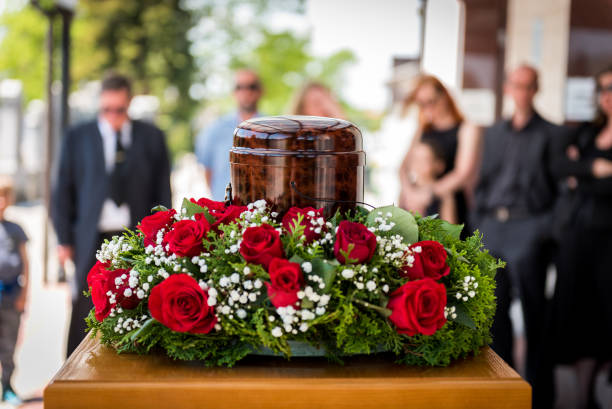
Swarga Vatika Crematory Hyderabad Families across India handle these dignified moments with a unique blend of communal togetherness and structured ritualism. From the vibrant rural villages to the bustling urban centers, the active participation of the surrounding community underpins every step of the cultural farewell. These time-honored practices offer a meaningful space where loved ones share comfort, honor lived memories, and preserve personal accomplishments.
The Aesthetics of Preparation and Family Devotion
Processions of Honor: Community Unity
Cultural Feature
Material Used
Cultural Significance
Attire
Traditional White Attire
Represents purity, equality, and shared grief.
Resting Platform
Woven Bamboo and Foliage
Demonstrates local craft and eco-friendly design.
Garlands
Marigolds and Jasmine
Expresses high regard, warmth, and artistic beauty.
Natural Essences
Sandalwood Paste and Rosewater
Ensures sensory grace and natural care.
Regional Expressions of Honor
Hindu Burial Ground Adityanagra No matter if the community practices gentle earthen burial or ceremonial fire rites, the emphasis stays firmly placed on cultural values of returning the physical form to nature's fundamental components through practices that prioritize environmental respect and cultural grace.
Communal Hospitality and Memorial Traditions
Summary: Timeless Values of Community Honor
Hindu Crematorium Ground Hyderabad These subcontinental customs demonstrate a beautiful example of social values, artistic traditions, and profound community solidarity. By handling personal farewells with public grace and communal support, these practices highlight the power of family bonds and social networks. Through beautiful floral arrangements, white-clad processions, regional artistry, and generous hospitality, Indian culture honors the journey of the individual while fortifying the enduring bonds of the community for generations to come.